- 0xResearch
- Posts
- The quantum threat to Satoshi’s stash
The quantum threat to Satoshi’s stash
Plus, macro conditions start to squeeze

Marc Arjoon
April 01, 2026
Hi all, happy Wednesday! Today, we are looking at a clear risk-off rotation in the markets as macro headwinds pressure ETF flows.
We examine a looming existential question for the crypto space: What happens to Bitcoin when quantum computers finally arrive? We break down the timeline, the technical defenses already in place, and the multi-million BTC question surrounding Satoshi’s untouched stash.
Let’s dive in.
Over the last 24 hours, BTC (+1.25%) was one of the stronger macro performers, though gold (+1.65%) outperformed it by the close. US equities lagged more noticeably, with the Nasdaq 100 ending slightly negative (−0.3%) and the S&P 500 roughly flat (+0.12%), while BTC and gold both held onto solid gains through most of the session.

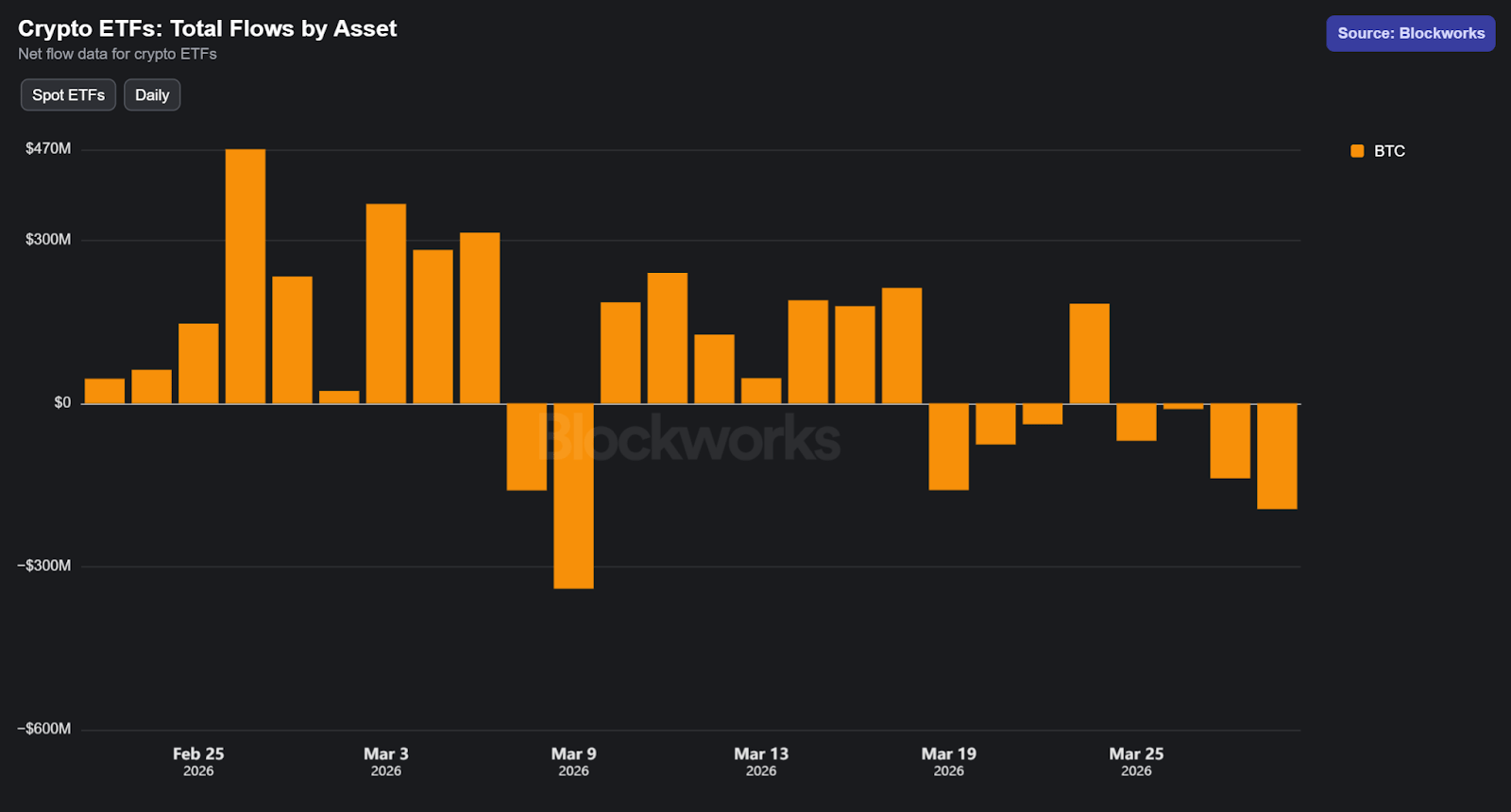
Meanwhile, BTC ETFs had just one positive net inflow day in the last eight, and their recent demand recovery faces headwinds as macro conditions deteriorate. US equities have rolled over into risk-off territory alongside BTC, with both hitting decade-low percentile returns last week, driven by higher rate expectations, tighter financial conditions, and no Fed easing priced in for the next year.
ETF flows turn inconsistent or negative during such tightening periods, weakening the marginal buyer and pressuring prices. Unless conditions stabilize, sustained support looks fragile. This isn’t crypto-specific; it’s broad risk-asset repricing amid inflation worries and geopolitics.
The cross-sector view reveals a clear risk-off rotation within crypto, seemingly favoring resilient niches like Memes and RWAs while punishing liquidity-hungry high-beta plays such as Equities and Miners.
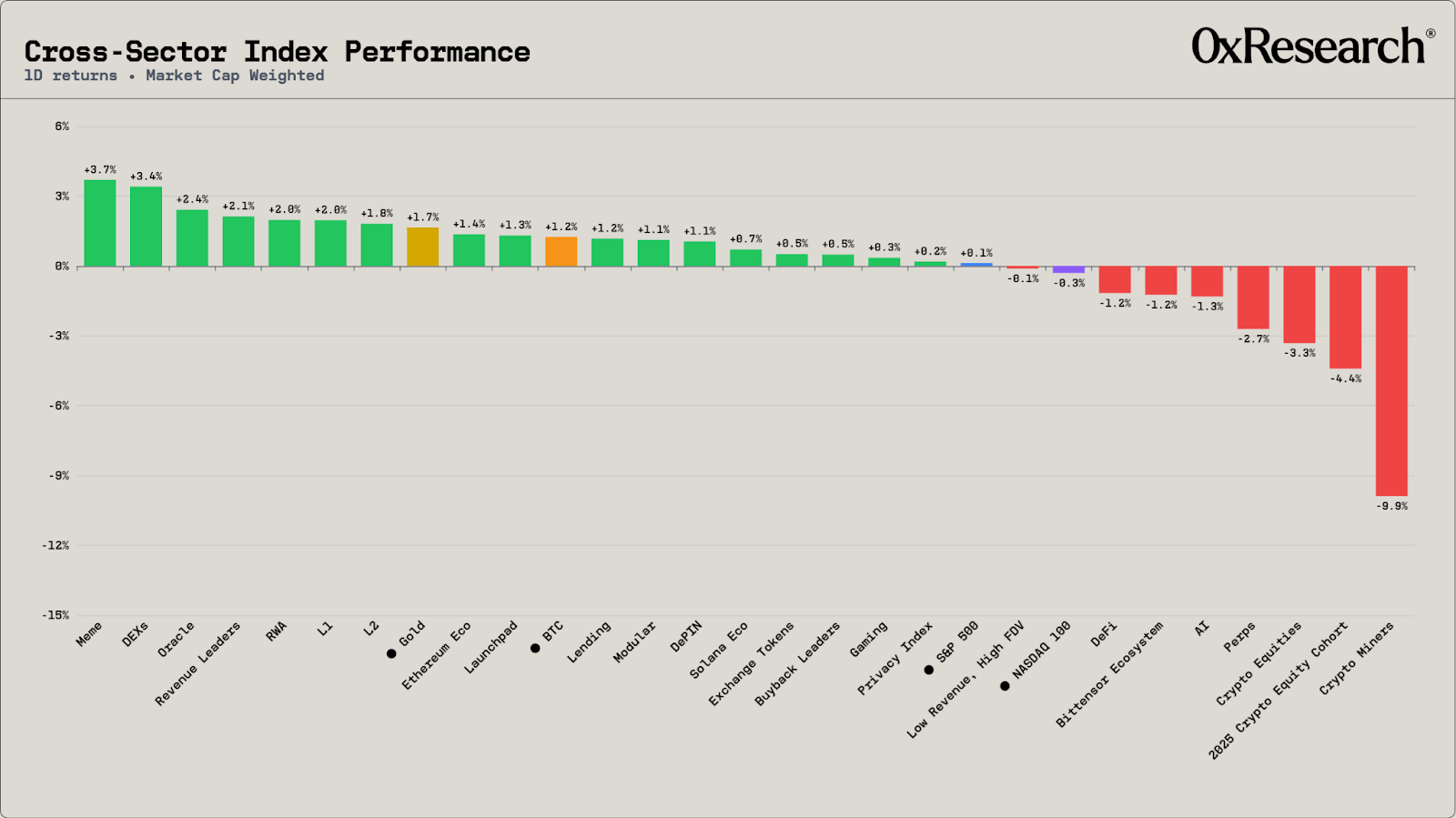
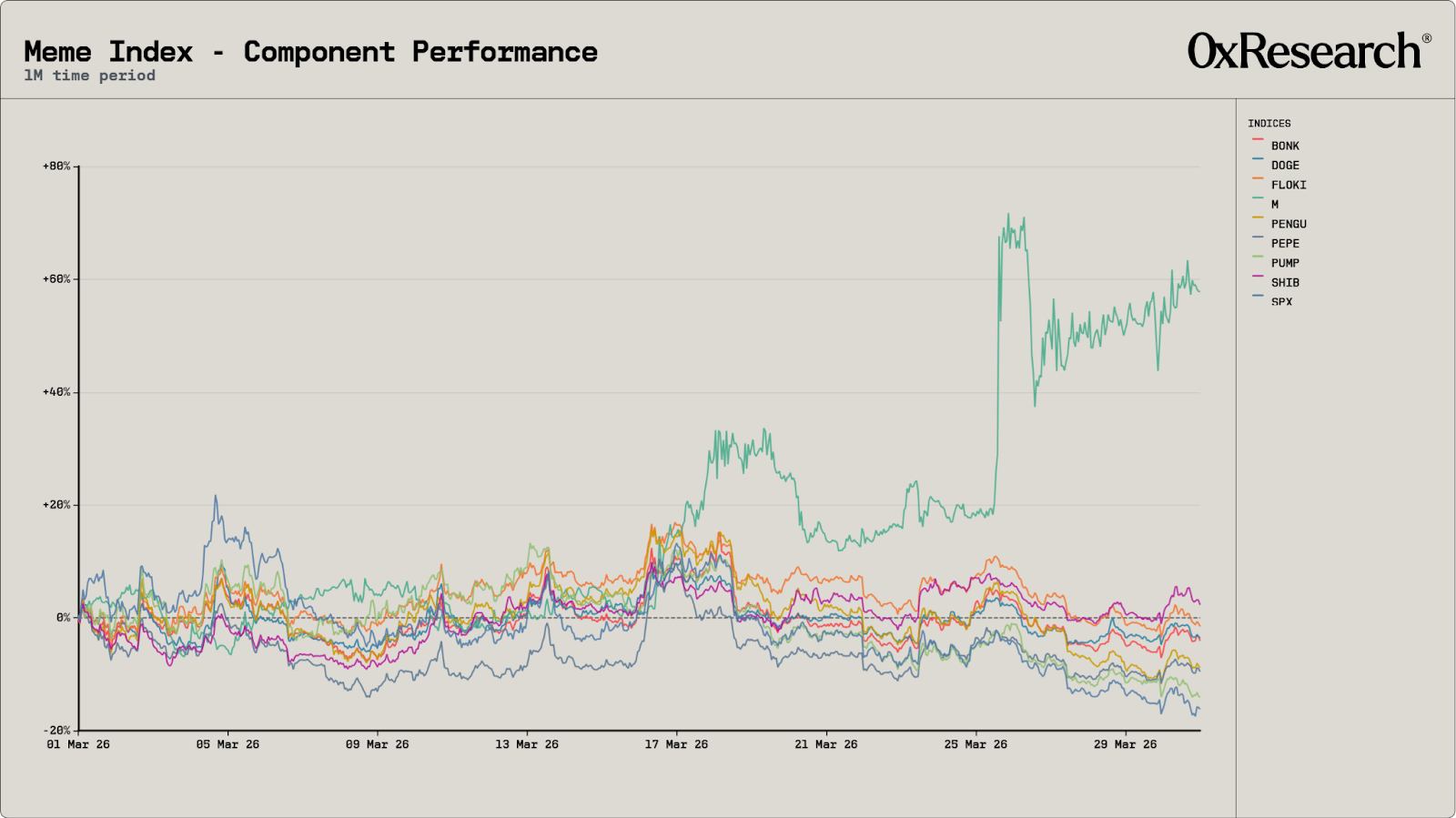
However, a closer look at the Meme index shows that the outperformance stemmed from one token in particular — Memecore — while the vast majority of meme coins are also under pressure.
— Marc
Preparing for “Q-Day”
As artificial intelligence accelerates and quantum-computing research continues to grab headlines, a persistent question haunts the crypto space: What happens to Bitcoin when quantum computers can break modern cryptography?
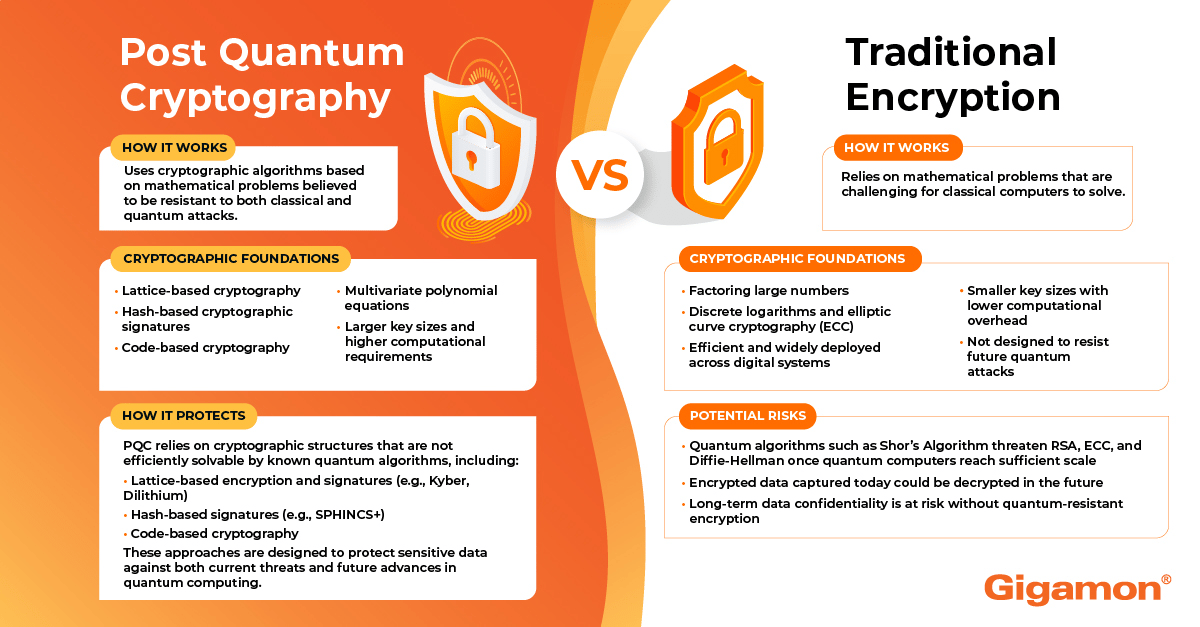
While some speculate that Artificial Superintelligence (ASI) could unlock a Cryptographically Relevant Quantum Computer (CRQC) in the next year or two, consensus among cryptography experts and government agencies (like the NSA) places the timeline roughly a decade out. A CRQC would be capable of calculating a private key from a public key exposed onchain, allowing bad actors to siphon funds. However, the industry has time to execute a transition.
The first step is introducing optional Post-Quantum Cryptography (PQC) signature schemes. Because PQC signatures are typically larger, slower and more expensive, wallets historically drag their feet on adoption. Fortunately, Taproot was designed with this exact fallback in mind. Recent formal proofs confirm that Taproot’s secondary public key commitments are quantum-secure, allowing the network to add PQC validation via a soft fork without immediately burdening users with higher fees.
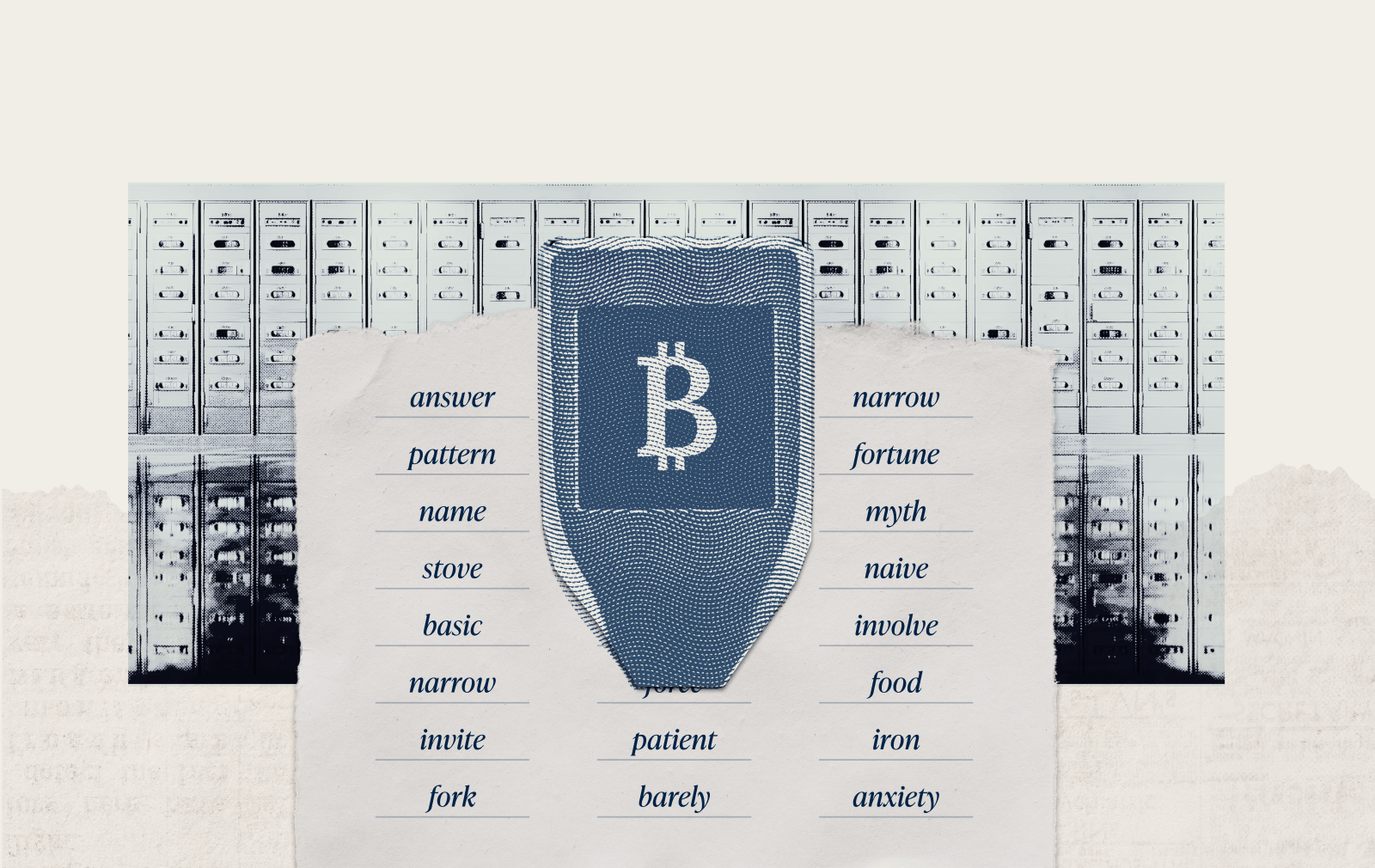
But what happens to wallets that fail to upgrade before Q-Day? Surprisingly, seed phrases are actually quantum-secure. A quantum computer cannot easily reverse the hashing process from a seed phrase to a private key. Post Q-Day, users with old wallets could theoretically use a Zero-Knowledge (ZK) proof to verify they own the seed phrase that generated the onchain keys. This would cost significantly more in fees, but it would prevent users from losing their funds.
However, the most contentious issue isn’t the technical upgrade. Instead, it’s what to do with the millions of early, untouched BTC (including Satoshi’s stash) that will remain quantum-vulnerable. If left alone, whoever invents a CRQC first could steal and dump these coins on the market. Well, just like the SegWit2x blocksize wars, the free market will decide how to handle this via futures and fork valuations.
I hope the market will choose to freeze/burn these quantum-vulnerable coins by a specific deadline rather than allowing 1–2 million stolen BTC to flood the market.
— Marc

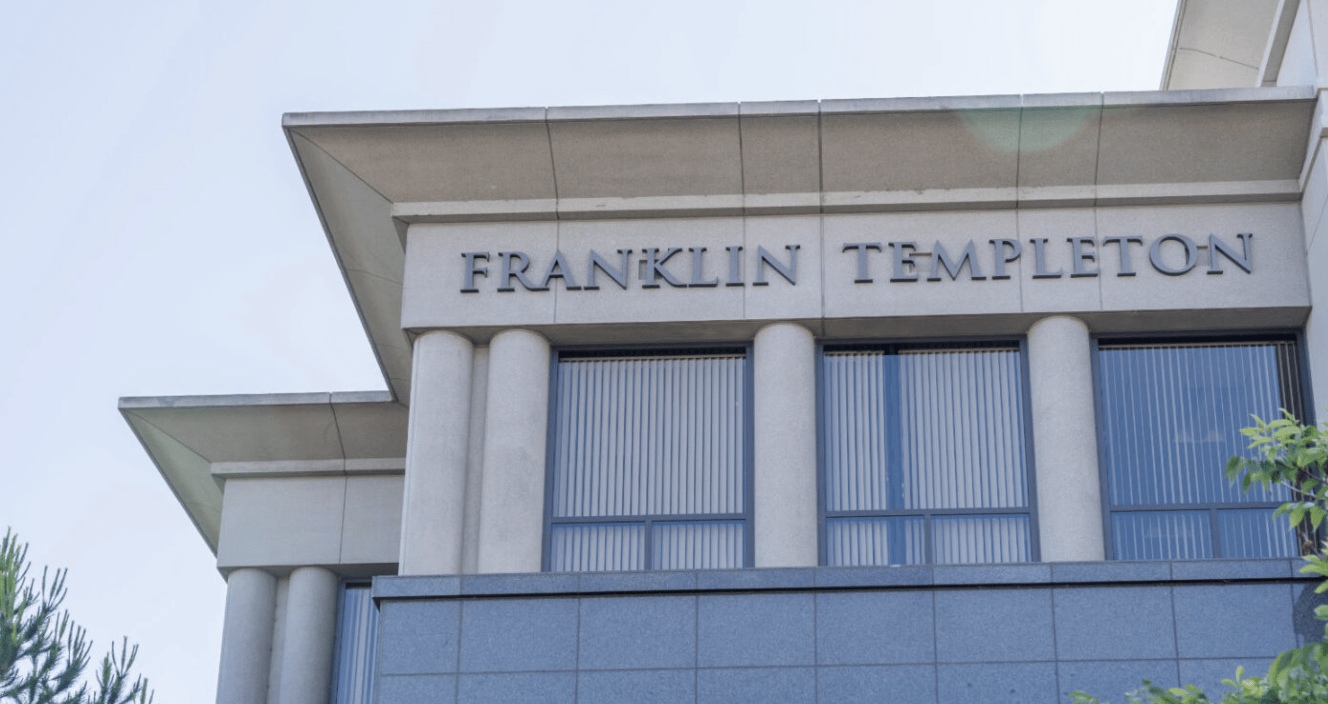
Ondo Finance is tokenizing five Franklin Templeton ETFs on its Global Markets platform, enabling 24/5 trading via blockchain outside traditional exchange hours, a step toward constant liquidity for institutional investors. These BVI-issued debt notes track total returns 1:1 with underlying stocks and dividends but do not confer ownership, targeting non-US and qualified investors only. This deal underscores accelerating RWA adoption, bridging TradFi products with onchain rails amid tightening macro conditions.

Whop, a platform with 21M+ users and $3B in annual payouts for online businesses, has integrated Aave’s Plasma lending market via Veda to launch Whop Treasury, automatically yielding idle user balances as USDT0 without manual DeFi interaction. Users opt in for seamless, autocompounding returns like a high-yield savings account, with instant withdrawals, exposing non-crypto natives to Aave’s liquidity. This embedding strategy broadens DeFi reach into fintech, onboarding creators who bypass traditional wallets while powering real-world revenue streams.

Introducing Blockworks Investor Relations, an IR platform built for onchain businesses.
The latest Blockworks offering brings together analytics, a branded investor relations site, and integrated advisory support into a single platform. The result is a more efficient way to share your story, build trust with investors, and engage a global audience from day one.
If you’re building in crypto and want to upgrade your investor relations function, we’d love to work with you. Book a meeting with the Blockworks team to get started.